Solution Focused Coaching: Effective Support for Personal and Professional Development
A coaching is an increasingly popular method in business and other areas of life to promote personal and professional development. There are many schools of thought, but the megoldásfókuszú coaching (SFC - Solution-Focused Coaching) a particularly effective option for those looking for fast and results-oriented support. It helps people get the most out of themselves and achieve their goals. Solution-focused coaching is a particularly effective method that focuses on future solutions rather than past problems. This approach is not only effective, but can also be inspiring as it encourages people to focus on their strengths and potential.
What is solution-focused coaching?
Solution-focused coaching is a method that focuses on clients' strengths, successful experiences and future goals. SFC does not focus on an in-depth analysis of problems, but on developing solutions and a positive vision for the future.
The essence of solution-focused coaching
Solution-focused coaching is based on the assumption that each person has the resources and skills to change and grow. A coach is to help the client to identify and exploit these resources. The approach is not concerned with identifying the roots or causes of problems in the past, but instead focuses on future solutions.
In solution-focused coaching, the coach asks carefully formulated questions that encourage the client to imagine the desired future situation and identify the steps that will lead to it. A coach helps the client to recognise their strengths and past successes on which to build. This positive and resource-oriented approach is often more effective than analysing problems, as it energises and motivates the client to change.
Meaning of Solution-Focused or Brief Coaching, Similarities and Differences
Some people see brief coaching and solution-focused coaching as one method and one and the same, others see them as two separate directions.
We rather believe, and I speak for myself (Rob), that the two names are almost the same, but there are one or two minor differences, which we will mention below and leave it to the reader or client to decide.
Why? Because it doesn't really matter.
Whatever you call it, the key is to use it and adapt it to the client and the client's needs and to use the elements of it that best fit the situation and support the client in achieving their goals.
Solution Focused Coaching Meaning
Solution-focused coaching is a method that focuses on the client's existing strengths, successes and future goals, with the emphasis on positive change and achievable solutions rather than on analysing problems.
Brief Coaching Report
Brief coaching is a short, goal-oriented coaching process that quickly helps you achieve specific, measurable goals. It is also a method for exploring the client's resources and Action Plan builds on the development of.
Similarities
- Positive focus: Both methods focus on client strengths and solutions.
- Goal-oriented: They focus on achieving the client's goals.
- Exploring resources: They build on the client's existing resources and successes.
Differences
- Duration: Brief coaching is usually a shorter process, aiming for faster results.
- Focus: Solution-focused coaching tends to focus on the process, while brief coaching focuses on the rapid achievement of goals.
- Methodology: Brief coaching can take a more concrete and structured approach to achieving results.
By combining the two methods, clients can get a wide range of support to achieve their goals, both in the short and long term.
Principles of Solution Focused or Brief Coaching
Brief coaching is a short, goal-oriented method based on the following principles:
- Positive focusFocus on the client's strengths and the successes already achieved.
- Objective: Setting concrete, measurable and achievable targets.
- Exploring resources: Identifying the client's existing resources and capabilities.
- Solution-oriented questions: Questions that help the client focus on future solutions.
The Solution-Focused, Brief Coaching Process
- Setting objectives: The first step is to define the client's goals, which the coaching process focuses on achieving.
- Identifying resources and successes: Exploring the client's past successes and resources to build on them in the future.
- Developing alternative solutions: The client develops different possible solutions and steps to achieve the objectives.
- Developing an action plan: Specific steps to be taken by the client between coaching sessions.
Practical Example
Client's goal: You want to communicate more effectively with your team. Objective: "How would you like to achieve more effective communication?" Exploring resources"When have you experienced a similar situation where you communicated well with your team?" Find alternatives: "What steps could you take to improve communication?" Developing an action plan: "What concrete steps will you take in the next month?"
Background and principles
Solution-focused coaching is based on the brief coaching method, which builds on short, goal-oriented interventions. The principles include:
- Positive focus: On the positive aspects, resources and opportunities puts the emphasis on.
- A goal-oriented approach: Setting concrete, achievable goals and the means to achieve them Manager develop steps to.
- Cooperation: The coach works in partnership with the client, using the client's experience and knowledge.
How does solution-focused coaching work?
In solution-focused coaching, the coach and client work together to achieve the goals set by the Client. Below are some key steps and techniques:
1. Objective
The first step is to set goals. A coach helps the client to set concrete and realistic goals.
Example: A manager wants to improve motivation and cooperation in his team.
Possible questions:
- "Mit szeretne elérni a coaching folyamat során?"
- "Milyen változásokat szeretne látni a csapatában?"
2. Identify resources
A coach helps the client to identify and use their existing resources and experience.
Example: The said leader remembers a successful project, where the team worked very well together.
Possible questions:
- "Mikor tapasztalt hasonló helyzetet, amikor a csapata motivált és együttműködő volt?"
- "Mi járult hozzá akkor a sikerhez?"
3. Finding alternatives and solutions
During the coaching process, the client explores different options and solutions that can help to in achieving your goals.
Example: The leader is looking for ideas on how to improve team communication.
Possible questions:
- "Milyen lépéseket tehetne, hogy javítsa a csapat kommunikációját?"
- "Hogyan próbálná meg ezeket a lépéseket bevezetni?"
4. Developing an action plan
The final step is to develop a concrete action plan, including the necessary steps and timeframes.
Example: The leader decides to hold regular team meetings where everyone is free to share ideas.
Possible questions:
- "Milyen konkrét lépéseket fog tenni a következő hónapban?"
- "Hogyan fogja nyomon követni a haladást és az eredményeket?"
Practical examples and sample answers
Example 1: Personal development
Customer request: "Szeretnék magabiztosabb lenni a munkahelyi megbeszéléseken."
A possible solution:
- Coach's question: "Mikor érezte magát legutóbb magabiztosnak egy megbeszélésen?"
- Customer response: "Egy prezentáció során, amikor alaposan felkészültem."
- Coach's question: "Hogyan készülhetne fel hasonlóan a jövőbeni megbeszélésekre?"
- Customer response: "Minden megbeszélés előtt időt szánok a főbb pontok átgondolására és gyakorlására."
Example 2: Professional development
Customer request: "Szeretném fejleszteni a my leadership skills, especially conflict management.
A possible solution:
- Coach's question: "Volt már olyan helyzet, amikor sikeresen kezelt egy konfliktust?"
- Customer response: "Igen, amikor nyitott és őszinte beszélgetést folytattam az érintettekkel."
- Coach's question: "Hogyan alkalmazhatná ezt a megközelítést más konfliktusok esetén is?"
- Customer response: "Többször tartok egyéni megbeszéléseket a csapattagokkal, hogy időben felismerjem és kezeljem a konfliktusokat."
The benefits of solution-focused coaching
The solution focus coaching with many benefits for clients, organisations and coaches alike:
- Quick results: By focusing on future solutions rather than analysing past problems, change can often be achieved more quickly. A goal-oriented approach can achieve tangible results in a short time.
- Resource-oriented: Clients learn to recognise and exploit their own resources and skills, which increases their self-confidence and motivation.
- Positive attitude: A solution-focused approach creates a positive and inspiring atmosphere that encourages creative thinking and the seizing of opportunities. Emphasis on strengths and successes increases motivation and self-confidence.
- Efficiency: It saves time and energy by focusing on future solutions instead of analysing past problems.
- Customer focus: Solution-focused coaching takes full account of the client's goals, values and preferences.
- Flexible method: applicable to personal and professional purposes, and in different situations and challenges.
The practical application of solution-focused coaching
The effectiveness of solution-focused coaching can be seen in many areas, whether applied at individual, group or organisational level. Below are some concrete examples and case studywhich illustrate the versatility of the method.
Individual coaching

Case study: Peter, a middle manager in an IT company, feels that he is finding it difficult to find the balance between your work and your private life. He often works overtime, which causes tension in his family life.
A solution-focused approach:
- Objective: Peter's goal is to spend more time with his family without compromising his performance at work.
- Exploring resources: A coach asks Peter when he has managed to maintain an effective balance before. Peter remembers a time when he used to do sport regularly, which helped him to managing stress and more efficient time management.
- Looking for alternatives and solutions: The coach and Peter are working together on how to incorporate sport back into his daily routine and how to reorganise his work to avoid overtime.
- Develop an action plan: Peter decides to go for a run three times a week after work and asks his team to schedule important meetings at the beginning of working hours.
Group coaching
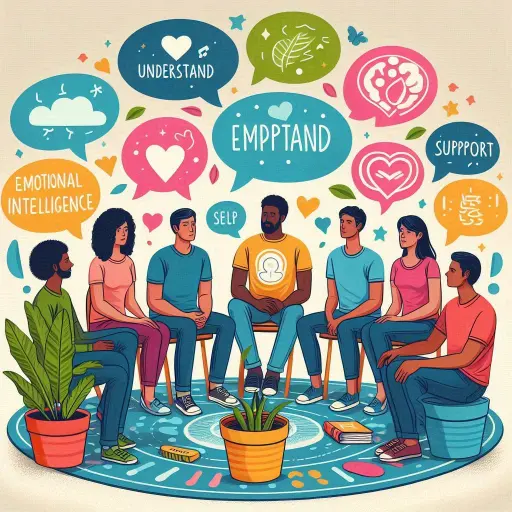
Case study: In a marketing team, the aim is to improve cooperation and communication, as misunderstandings and conflicts often arise during projects.
A solution-focused approach:
- Objective: The team aims to improve internal communication and reduce the number of conflicts.
- Exploring resources: The coach asks the team members to recall situations when they worked well together. These stories help them to identify strategies and practices that have worked in the past.
- Looking for alternatives and solutions: The team will brainstorm and discuss different communication and collaboration techniques. For example, daily stand-up meetings are introduced, where everyone briefly talks about their daily tasks and challenges.
- Develop an action plan: The team will develop a new communication protocol that includes regular meeting times, feedback processes and conflict management procedures.
Coaching at organisational level
Case study: The management of a medium-sized company recognises that rapid growth requires improvements in internal processes and communication between employees.
A solution-focused approach:
- Objective: The management aims to organisational culture become more supportive and improve the flow of information.
- Exploring resources: The coach asks management and staff when the organisation has worked well in the past. These cases highlight structures and methods that have been successful.
- Looking for alternatives and solutions: Various workshops and training sessions are organised where staff and managers work together to develop new strategies to improve communication and collaboration. For example, an internal mentoring programme is introduced where experienced staff help new colleagues.
- Develop an action plan: Management and staff jointly develop an action plan, including the necessary steps and timeframes, and regular reviews to monitor progress.

Success factors for solution-focused coaching
The solution focus key to coaching success well-defined goals, positive focus and a collaborative approach. The following factors are particularly important for effective implementation:
- Customer focus: The coaching process always focuses on the client, tailoring the approach to their goals, resources and needs.
- Flexible methodology: SFC adapts to different situations and individual needs, allowing for the development of tailor-made solutions.
- Continuous feedback: Regular feedback helps the client to monitor progress and adjust the strategy if necessary.
More real-life examples of solution-focused coaching questions and answers
To better understand solution-focused coaching operation, let's look at some more typical questions and answers:
Customer request: "Szeretnék jobb vezető lenni és hatékonyabban motiválni a csapatomat."
Coach's question: "Képzelje el magát egy év múlva, mint kiváló vezető, aki sikeresen motiválja a csapatát. Miben különbözne a helyzet a mostanitól?"
Possible customer response: "Valószínűleg több visszajelzést adnék az embereknek, és többet hallgatnám meg őket. Talán rendszeres csapatépítő tevékenységeket is szerveznék."
Coach's question: "Nagyszerű ötletek! Milyen más pozitív dolgokat venne észre a motivation and performance in?
Customer request: "Szeretnék magabiztosabb lenni a tárgyalások során."
Coach's question: "Gondoljon vissza egy olyan esetre, amikor sikeresen képviselte álláspontját egy tárgyaláson. Mi történt akkor, ami jól működött?"
Possible customer response: "Jól felkészültem és ismertem az ügy minden részletét. Emellett próbáltam megérteni a másik fél szempontjait is."
Coach's question: "Rendben, ezek mind kiváló stratégiák. Milyen további készségeket vagy erőforrásokat használna, hogy még magabiztosabb legyen a jövőbeli tárgyalásokban?"
As can be seen from these examples, a solution-focused coach asks questions that encourage the client to envision the desired future situation, to recognize his or her strengths and past successes, and to identify steps to achieve his or her goals. This interactive process strengthens the client's commitment and motivation to change.

That is
The solution focus coaching as an effective tool for personal and professional development to promote change and growth in all areas of life. By focusing on strengths and future goals, clients can achieve their goals quickly and effectively. Whether applied at individual, group or organisational level, SFC's methods and tools help clients find the best solutions to their challenges. The coach helps the client to achieve their goals by asking carefully formulated questions, while creating a positive and inspiring atmosphere. If you or your company is looking to make change and progress, solution-focused coaching is a great way to do this.