Executive coaching vs mentoring: when is it better for leaders? Of the tools used to develop leaders,...


Executive coaching vs mentoring: when is it better for leaders? Of the tools used to develop leaders,...

This blog article reveals the secret behind the impostor syndrome in the driving seat. Find out why it affects even the most successful people, how it hinders growth, and specific coaching steps you can take to replace inner doubts with authenticity. Read the real case and find the solution.

The change of ownership is the biggest challenge for Hungarian SMEs. When the founder and the successor do not understand each other, the future of the company is at stake. This article explores the pitfalls and shows how generational change coaching and organisational development can help build bridges between generations.

Have you tried the techniques, read motivational articles, yet you keep slipping back into the same old pattern? Saying no is not a communication skill, it's an identity issue. This article is for those who already know they need to change, but have realised they can't do it alone. Through real stories, research and coaching experiences, we show you why most people fail and how a coach can help you finally learn to protect your boundaries. If you're tired of overcommitting and burnout, it's time to seek professional help.

Successful leadership does not depend on a single style. This article introduces the 9 basic leadership style models, helps you recognise your own, and shows you how to become a more flexible and effective leader by consciously using the right tools for the situation.

Generation Z and leadership: does everyone really want to be boss in 5 years? The job market is changing, and Generation Z is...

How did a 26-year-old junior marketing coordinator become the leader of a 50-strong team in four years? That's how Martha became a leader at a young age, and this is her story - a real-life example of how talent, perseverance and the right coaching support can create success for young leaders.
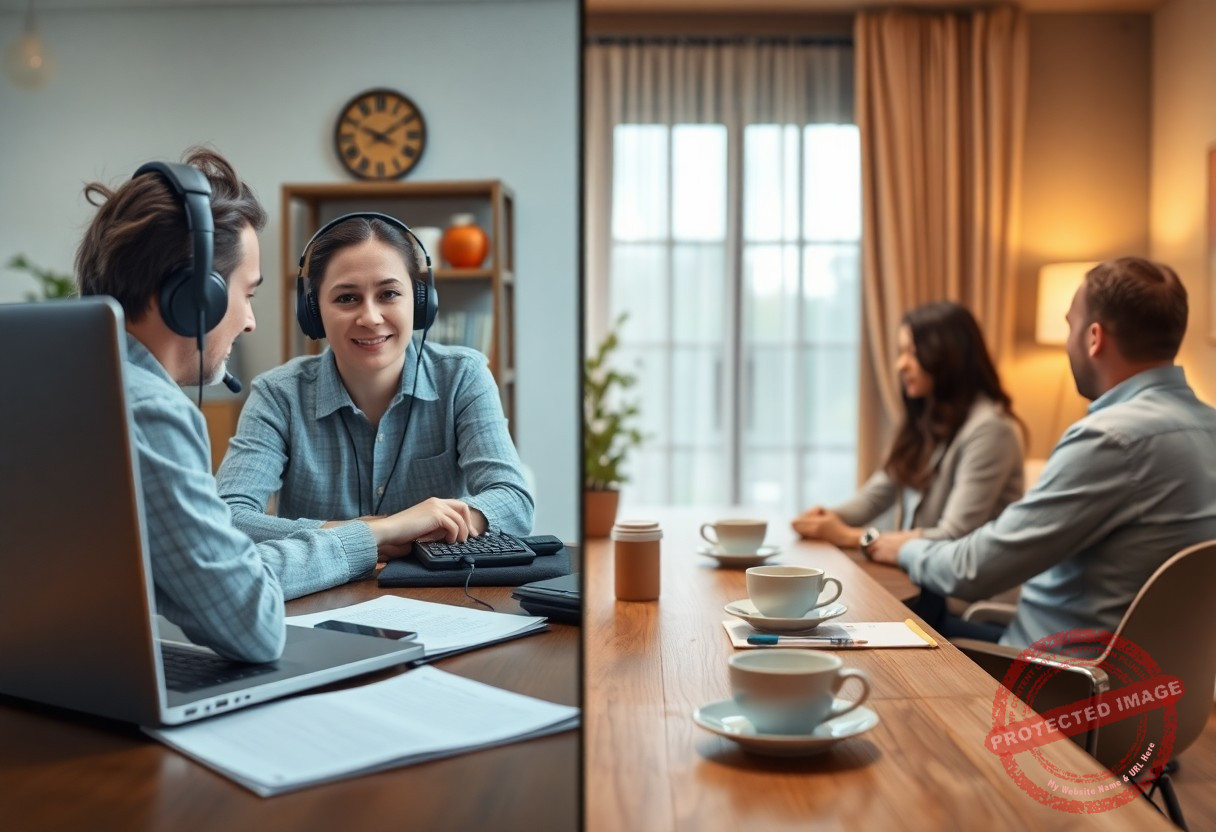
Hybrid coaching (also known as blended coaching) is a model where the coaching process is part online and part face-to-face, complementing each other. The online parts can be video calls, chat or voice consultations, digital tools, file sharing, task tracking software. Face-to-face sessions provide the opportunity for direct human contact, observation of body language, more intensive interaction and deeper relationship building.
Hybrid coaching aims to harness the benefits of both the online and face-to-face formats, while reducing the disadvantages that are unique to one or the other.
Guide to Organisational Development: Methods, Processes and Practical Implementation in 2026 The latest, up-to-date...

Liberating the inner critic: how to transform selfishness into self-control Do you remember that moment when...

Differences between rich and poor thinking are not genetically determined - they are learned patterns that can be changed. The key lies in self-awareness, continuous learning and often the use of external support.

Self-confidence is not a destination, but a journey - an inner resource that supports us throughout our lives. It takes conscious work to develop, but the energy invested pays off in every area of our lives.
Healthy self-confidence is not about perfection, but about the belief that we are valuable with our flaws and that we are able to face life's challenges. This inner sense of security allows us to live authentically, embrace our vulnerabilities and remain open to growth.
You cannot copy content of this page
