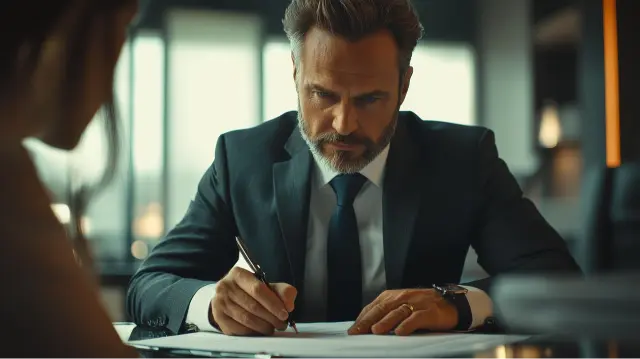
„Dad/Anya, we don't do it like that anymore!” - Successful ownership generation change and the role of coaching in Hungarian SMEs
Estimated reading time: 10 minutes
The Change of Ownership Generation
A change of ownership generation a magyar KKV-k esetében azt a kritikus és gyakran érzelmileg terhelt folyamatot jelenti, amely során az alapító-tulajdonos – aki jellemzően a rendszerváltás környékén indította vállalkozását és most éri el a nyugdíjkorhatárt – átadja cége tulajdonjogát és operatív vezetését a következő generációnak, legtöbbször a saját családtagjainak. Ez a lépés messze túlmutat egy egyszerű adminisztratív vagy jogi tranzakción; ez egyben az évtizedek alatt felépített "életmű" átörökítése, egy stratégiai, pszichológiai és kulturális váltás. Magában foglalja az alapító elengedési képességének próbáját, az utód felkészítését és motivációjának tisztázását, valamint a két generáció (gyakran eltérő) gondolkodásmódjának és munkastílusának összehangolását, mindezt a cég sikeres jövőjének biztosítása érdekében.
Why is the change of ownership often stuck in the case of Hungarian SMEs?
A change of ownership generation perhaps the most difficult and risky period for Hungarian SMEs. Far from being just a legal or administrative handover, it is an emotional, psychological and strategic storm where generations, different work ethics and family roles collide. Most family business succession is stuck because the founder cannot let go and the successor cannot (or does not dare) go his own way. In this situation, the generational change through coaching történő támogatása hidat épít: segít kimondani a kimondhatatlant, lefordítani a generációk "nyelvét" egymás számára, és biztosítja, hogy az életmű ne vesszen el, hanem sikeresen átalakuljon.
The Family Lunch Where Your Life's Work Matters
Imagine Sunday lunch. There sits Istvan, 68, the founder of the company. He built his 80-strong manufacturing company from scratch. He knows every machine, shakes hands with every worker. Opposite him is his son Gábor, 40, with an MBA. Gábor sees the opportunities of digitalisation and new markets, but also that his father's methods - while they have worked until now - are becoming obsolete.
István felszólal: "Gábor, láttam a negyedéves tervet. Miért akarod ezt a CRM rendszert erőltetni? Papíron is működött 30 évig." Gábor sóhajt: "Apa, ezt már nem így csináljuk! Nem tudunk növekedni, ha nem látjuk az adatokat. A konkurencia elhúz mellettünk."
Csend. István sértettséget érez ("A fiam lenézi, amit csináltam"), Gábor pedig frusztrációt ("Apa nem bízik bennem"). Egyikük sem azt mondja ki, amit valójában érez. István azt, hogy: "Félek, hogy amit felépítettem, tönkreteszed. És I'm afraid of what will happen to me when I'm no longer the boss." Gábor pedig azt: "Tisztellek, de szükségem van a térre, hogy én is letegyek valamit az asztalra. I don't want to live in your shadow."
This scene is played out thousands of times in Hungarian SMEs. A change of ownership generation does not fail on Excel spreadsheets or contracts, but on the on unspoken sentences, or even judgements that are too strongly pronounced.

Why is the change so painful? The Real Problems Under the Carpet
Amikor egy céget évtizedekig ugyanaz az ember vezet, az ő személyisége egybeforr a vállalattal. Ő az "Atya", a "Főnök", a "Mindenes". Egy change of ownership generation this identity would have to be detached from the company, which could be experienced almost as a grieving process.
At CoachLab, with decades of leadership and more than 10 years of coaching experience, we see that Hungarian SMEs family business succession they face the same challenges:
- Az "Alapító Szindróma" (Elengedési Képtelenség): Az alapító számára a cég az ő "gyermeke". Hogyan is adhatná át másnak? Még ha az a másik a saját gyereke is. Gyakran az átadás után is megmarad az "árnyékkormányzás", az alapító továbbra is bejár, utasításokat ad, aláásva ezzel az új vezető tekintélyét vagy önértékelését.
- A "Másik Nyelv" (Generációs Szakadék): For the founding generation (Baby Boomers or X), work equals life, with time in the office and stable profits as the measure of success. The successor generation (Y or Z) thinks differently: it's important to purpose (goal), flexibility, digitalisation and work-life balance. When they talk, they use the same words, but they mean something completely different.
- The Unmotivated or Unprepared Successor: A very common situation; what if the child doesn't want to? He may have a different career path, different interests, or simply see how stressful his father/mother's life has been and does not wish it for himself. Worse still, he may take it on, but only out of a sense of duty, without any real commitment or vision. This leads to the slow death of the company.
- The Mixing of Family Roles: "Főnök vagy, vagy az apám?" Ebédnél még apa-fia, az irodában már tulajdonos-ügyvezető? Ezek a szerepek óhatatlanul összemosódnak, és egy üzleti vita könnyen személyes sérelemmé válik, ami aztán megbénítja a döntéshozatalt.

The Coaching Bridge between Generations: how do we help you make the transition?
When the tension is already palpable and the change of ownership generation seem to be stuck, most people turn to a lawyer or financial adviser. But the problem is rarely legal; always human.
This is where generational change comes in coachinggal and organisational development. At CoachLab Coaching Services, we do not give financial advice or write succession plans. We go deeper than that: we help our stakeholders can write their own plan and be able to implement it.
What does this look like in practice?
1. The Mirror (Clarifying Real Goals): An leadership coaching generational change the first step is always to talk to them individually. An experienced coach (such as Róbert Radó from our team, who has been through several such processes) helps the founder to articulate what he or she is afraid of actually. What is his vision for the company and by himself about the future? We do the same with the successor: what does he want ő? Do you even want to? If yes, how? This clarity is key.
2. The Translator (Finding a Common Voice): Miután az egyéni célok tiszták, jöhetnek a közös, moderált ülések. A coach itt nem bíró, hanem "fordító". Segít lefordítani az alapító "aggodalom-nyelvét" az utód számára, és az utód "innováció-nyelvét" az alapító számára. Segítünk olyan kereteket szabni, ahol a felek ítélkezés nélkül beszélhetnek az elvárásaikról és félelmeikről.
3. The Designer (Structuring the Process): The succession coaching not just talk. We break the process down into concrete, measurable steps.
- When is the handover taking place?
- What in phases? (e.g. year 1: successor learns; year 2: joint decision making; year 3: founder becomes advisor).
- How to communicate this to the team?
- At will be the new role of the founder? (This is critical! He needs a new, meaningful role, otherwise he can't let go of the old one).
4. Preparing the Organisation (Organisation Development): A change of ownership generation is not just about two people. The whole organisation suffers when there is uncertainty. A "régi gárda" az alapítóhoz hűséges, az "új emberek" az utódot támogatják. Ez szétszakíthat egy céget. Ezért a coachingot kiterjesztjük for organisational development is:
- Team coaching sessions for middle managers.
- Workshops to develop a new strategy and culture.
- Strengthening internal communication so that everyone understands what is happening and why.

From the CoachLab Experience:
The case of the two-generation IT SME
Egy 100+ fős, második generációs családi vállalkozással dolgoztunk, miután az alapító segítséget kért. Az alapító (nevezzük Jánosnak) már 65 felett járt, de "mindent IS" ő akart irányítani. Két fia dolgozott a cégben, mindketten 35 felett, de még mindig "a fiúk" voltak. A fiúk modernek, képzettek voltak, de apjuk árnyékában nem tudtak kibontakozni, ami állandó konfliktushoz vezetett. A cég stagnált, a kulcsemberek kezdtek elszivárogni.
Róbert Radó and the CoachLab's team engaged with them in a complex process lasting more than a year.
- Phase 1 (Diagnosis and Individual Coaching): Kiderült, hogy János rettegett a "nyugdíjas" élettől, és nem bízott abban, hogy a fiai "elég kemények" a vezetéshez. A fiúk pedig belefáradtak, hogy apjuk minden döntésüket felülbírálja.
- Phase 2 (Joint Moderated Sessions): In these meetings, with the help of the coach, they were able to voice the real problems for the first time. John shared his fears and the boys presented their own, well thought out vision.
- Phase 3 (Organisational Development): Létrehoztunk egy "tanácsadó testületet" János számára, ahol az ő tapasztalata aranyat ért, de már nem a napi operatív ügyekbe szólt bele. A fiúk tiszta felelősségi köröket kaptak (egyik a szolgáltatás és gyártás, másik a kereskedelem).
Result: A change of ownership generation sikeresen lezajlott. János ma már "senior tanácsadóként" élvezi az életműve gyümölcsét, a cég pedig a fiúk vezetésével új piacokat nyitott meg. Ehhez viszont kellett egy külső, objektív fél, aki segített áthidalni az érzelmi szakadékokat.

Global Outlook: not just a problem for us
A family business succession difficulty a global phenomenon. International surveys confirm that this is one of the biggest challenges facing businesses.
A Harvard Business Review (HBR) is a regular contributor on the subject. One of their articles („Why Family Businesses Need to Find Their Purpose”) stresses that family firms are the ones that can successfully change hands, where succession is not just about transferring assets, but also about its purpose (purpose) can be redefined for a new generation.
A Forbes in another article („The Missing Ingredient In Most Family Business Succession Plans”) arra világít rá, hogy a tervek 70%-a azért bukik el, mert csak a "kemény" tényezőkre (pénzügy, jog) fókuszál, és teljesen figyelmen kívül hagyja a "puha" tényezőket: a bizalmat, a kommunikációt és az érzelmi felkészítést. Pontosan ez az a terület, ahol a generational change through coaching is most effective.
Is Your Company Ready for Change?
5 Step Food for Thought
If you know yourself in any of the above situations, either as founder or successor, you can change of ownership generation process should not be delayed. The longer you wait, the harder it will be.
Here are 5 questions to start you thinking:
- A "Miért?": Alapítóként: Miért akarom átadni? (Csak mert "muszáj", vagy mert azt akarom, hogy az életművem megújulva éljen tovább?)
Successor: Why do I want to take over? (Out of obligation, or because I have a real vision?) - A "Kivel?": Do you have a designated successor? Ő indeed is it suitable? And more importantly: wants? Did you talk about this honestly?
- A "Mikor?": Van egy konkrét dátum? Vagy csak "majd egyszer"? A "majd" a legveszélyesebb szó a family business succession during. We need a timetable.
- A "Hogyan?": What are the stages of the transfer? What knowledge needs to be transferred? What will my new role be after I have taken over?
- The External Eye: Can we see that you can't do it alone? We dare to ask for help from an outside, objective party (like an coach or organisational development), who is not a family member and has no emotional attachments, so you can see the situation clearly?
Closing Thoughts: the Art of Letting Go and the Promise of a New Beginning
A change of ownership generation a marathon, not a sprint!
It is full of difficult conversations, resentments and fears. But it doesn't have to be.
In our view the key to successful change not the perfect contract, but the ability to communicate honestly and let go. Az alapítónak el kell engednie az operatív irányítást, az utódnak pedig el kell engednie a "mindent azonnal másképp" akarást.
An Executive Coaching process helps you do just that. Helping the founder find new meaning in the company next to and for the successor to build his or her own leadership identity without denying the legacy.
A change of ownership generation can be a painful end, but it can also be an exciting one, a new beginning is.
It's up to you!
Are you ready to make the generational change not a chaos, but a successful new chapter in your company's life?
Let's talk about where you are now, and how we can coachlab.hu/en/-help bridge the generation gap.
FREQUENTLY ASKED QUESTIONS (FAQ SECTION)
Much sooner than you think! Experts say the ideal is to start the first conversations 5-10 years before the planned handover. Generational change of ownership is a long process that involves grooming the successor, transferring knowledge and preparing the market. If you rush in at the last minute, conflict and loss of value are almost guaranteed.
Mert a családon belül senki sem objektív. A családtagok tele vannak érzelmi sérelmekkel, kimondatlan elvárásokkal és szerepkonfliktusokkal (pl. "az apámként vagy a főnökömként mondod ezt?"). Egy külső coach (mint a CoachLab csapatából) érzelmileg független, és csak a folyamat sikerére koncentrál. Képes arra, hogy moderálja a nehéz beszélgetéseket, és olyan kereteket szabjon, ahol mindenki ítélkezés nélkül elmondhatja az álláspontját. Ő a "fordító" a generációk között.
This is one of the most difficult but most important realisations. Coaching can help to clarify whether your successor really doesn't want to do the job, or is just afraid to do it, or would do it differently. If it turns out that there really is another way, the generational change of ownership can still happen, but in a different way: for example, by bringing in an external professional management team (as long as ownership remains in the family) or by selling the business. The worst thing you can do is to force the company on someone who doesn't want it. That will mean the end of the company.
Nem. Bár a fókuszban az alapító (átadó) és az utód (átvevő) van, a folyamat az egész szervezetet érinti. A kulcsemberek, a középvezetők és az "ősgárda" tagjai is bizonytalanságot élhetnek meg. Kihez legyek hűséges? Mi lesz az én szerepem? Ezért az utódlás coaching folyamatát gyakran egészítjük ki , team coachinggal és workshopokkal, hogy az egész csapat zökkenőmentesen tudja venni a változást.