Executive coaching vs mentoring: when is it better for leaders? Of the tools used to develop leaders,...


Executive coaching vs mentoring: when is it better for leaders? Of the tools used to develop leaders,...

A senior manager makes dozens of strategic decisions every day. Some of these are routine, while others fundamentally determine the future of the company, its profitability or even the fate of its employees. The biggest risk, however, is not external market conditions, but management blind spots.

As a leader, the most difficult task is to walk on a tightrope: how to assert your interests without destroying trust or psychological security? Róbert Radó, an executive coach, explains why true assertiveness is not about „being nice” and how „saying no” can become a tool for credibility and strategic resource management. The article introduces the „Priority Control” formula, and concludes with a unique 8-point audit to test your own leadership integrity right away.

Understanding and managing our feelings can give us great power. When we recognise and accept them, emotions can be valuable guides rather than uncontrollable forces. This emotional awareness and resilience are essential leadership skills in our turbulent world. It is worth the time and effort to better understand our emotions.
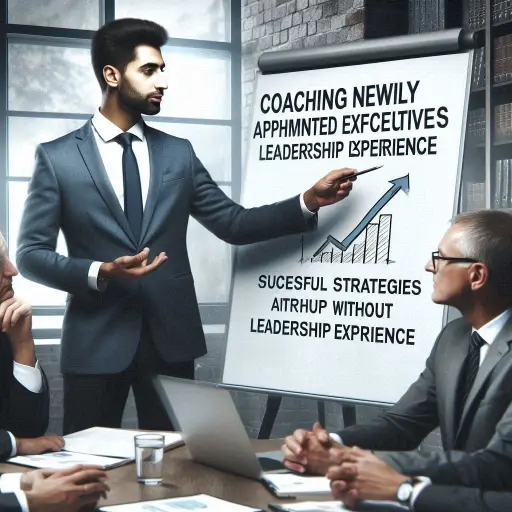
The demand for executive coaching is expected to grow in the future as companies increasingly recognise its value and managers recognise its benefits for their career and personal development. And advances in technology are opening up new ways to deliver coaching virtually and online.
Executive coaching is an effective and necessary tool for all managers and companies that want to grow and succeed in competitive markets. Whether you are an experienced or novice leader, executive coaching can help you optimise your skills and abilities to become the best leader you can be.

If you're ready to take the next step to become a great leader, but unsure how, executive coaching is for you. Working with a coach (e.g. CoachLab ) is not just an investment in your future. It is a commitment to grow, develop and strive to be your best self. And you deserve it.
Through executive coaching, you can develop your self-awareness, discover your hidden potential and advance your career. In 2024, when the job market is changing rapidly, executive coaching is the tool that can help you not only keep up, but stay ahead of the changes.

Executive coaching: Supporting middle and senior managers to lead more effectively In today's dynamic business environment,...

Burnout is a serious challenge in the modern workplace, but it can be prevented and managed with the right strategies and interventions. It is important that both individuals and organisations recognise the signs of burnout and take steps to reduce stress and improve employee wellbeing. Self-care, a supportive work environment and appropriate stress management techniques can all contribute to the prevention and management of burnout.

Solution-focused coaching is a powerful tool for personal and professional development, change and growth in all areas of life. By focusing on strengths and future goals, clients can achieve their goals quickly and effectively. Whether applied at the individual, group or organisational level, SFC's methods and tools help clients to find the best solutions to their challenges.

Executive coaching is a powerful tool to help leaders in their personal and professional development. Benefits include improved performance, better decision making, emotional intelligence, better communication, stress management, goal setting and achievement, innovation and conflict management. Coaching not only benefits individual leaders, but also contributes to the long-term success of organisations. Executive coaching is an investment in the future that pays off for leaders and organisations alike.

CEO coaching is an effective tool for managers to develop their skills, improve their decision-making and contribute to the success of the company. Through the coaching process, leaders gain deeper self-awareness, a better understanding of their role, and the ability to communicate and lead their teams more effectively. Choosing the right coach and taking a personalised approach ensures that coaching makes a real contribution to long-term success. And the results are not only reflected in the personal development of managers, but also in the performance of the company.
Walk-in coaching is therefore a versatile and flexible tool that can help achieve individual and organisational goals in many areas. At CoachLab.hu we are committed to introducing and applying this innovative method for the development of our clients.
You cannot copy content of this page
