History teaches us that great leadership does not start with controlling others, but with controlling yourself. To be truly authentic, you must first face yourself.


History teaches us that great leadership does not start with controlling others, but with controlling yourself. To be truly authentic, you must first face yourself.

By 2026, Generation Z will make up nearly 30% of the global workforce, making it a priority for companies to attract and retain Generation Z.
Generation Z members are revolutionising the world of work: high pay is no longer enough, maintaining mental health has become a primary requirement. This is where CoachLab and Coaching...

Generation Z and leadership: does everyone really want to be boss in 5 years? The job market is changing, and Generation Z is...

Leaders and Emotional Intelligence (EQ): the Path to Effective Coaching
Today, the key to leadership success lies not only in professional knowledge and decision-making skills, but also increasingly in emotional intelligence. CoachLab Coaching Services Hungary is committed to supporting the development of leaders' emotional intelligence through its leadership coaching programmes
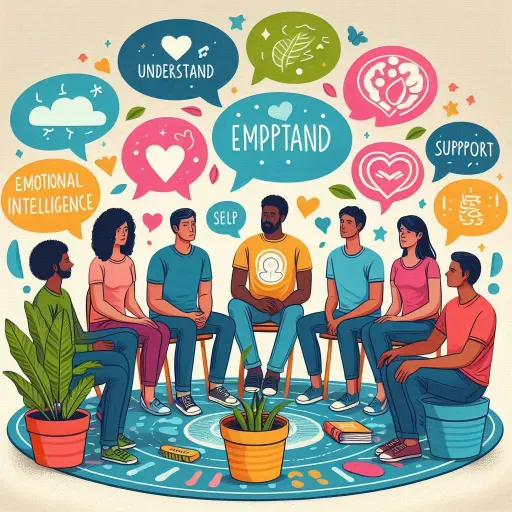
Emotional intelligence is one of the most important elements on the path to personal and professional success. While IQ defines cognitive abilities, emotional intelligence encompasses the social and emotional skills that enable you to build human relationships, communicate effectively and maintain motivation.

Sometimes the inevitable companion is Executive Loneliness. The most important thing is not to suffer from it, but to manage it consciously with the help of a coach and get it on your side.
First, acknowledge and appreciate the feeling itself, not try to "fix" it. It is instructive to stop, to go deeper, to step back from time to time. Solitude can often be a source of creative energy!
Leadership development and leadership coaching can be an effective way to overcome leadership loneliness. Mastermind groups and mentoring relationships can create a supportive environment that counteracts isolation.

Masters of Leadership Effectiveness and Leadership Communication
Coaching helps managers learn to communicate more effectively with their team and other departments. Empathy and effective feedback are key to motivating teams and increasing productivity. During one-to-one coaching sessions, managers learn practical ways to improve communication and deliver messages effectively.

CEO coaching, also known as executive coaching, is not only for the benefit of executives in large companies. Small and medium-sized enterprise (SME) managers can also benefit from this service, as they too need effective leadership and continuous development. In many cases, SME managers have a broader remit than managers in large companies, so coaching can help them to better manage day-to-day challenges and adapt to a changing market environment.

Organisations are constantly having to adapt to market demands and need effective leaders. Executive coaching is becoming increasingly popular in organisations as a means of developing leadership skills and improving organisational performance. In this paper, we analyse in detail the concept, importance, process, benefits and challenges of executive coaching.

Human resource (HR) managers play a key role in the success of organisations. They are responsible for recruiting, retaining and developing talent as the labour market changes ever more rapidly. Coaching is a powerful tool that HR leaders can use to improve employee performance, motivation and engagement, while contributing to the achievement of the organisation's strategic goals.

In this blog article, we will summarise the key tips from the video "How to sell anything 10x faster", highlighting the role of sales coaching in a successful sales strategy. In the video, renowned sales guru Dan Kennedy shares his five secret tricks for closing deals faster and more effectively, using the tools of sales coaching.

Why is empathy the most important leadership skill? In this article we take a closer look at why empathy is becoming increasingly essential for successful leaders.
You cannot copy content of this page
