Lifestyle Quiz: the Art of Balanced Living
Introduction: what is lifestyle?
Lifestyle is the set of behaviours, habits and activities that individuals choose and which shape their daily lives. It includes our eating habits, physical activity, social relationships, work and leisure activities. Our lifestyle has a profound impact on our health, happiness and quality of life.
Main areas of lifestyle
1. Everyday activities and habits
- Daily routines (sleeping, eating, cleaning)
- Working and learning
- Leisure activities and hobbies
- Dietary habits
- Exercise and physical activity
2. Mental and emotional aspects
- Values and worldview
- Stress management and mental health
- Personal development and self-awareness
- Spirituality and inner harmony
3. Social relations
- Fostering family relationships
- Friends and social life
- Community participation
- Professional contacts
Building a balanced lifestyle
1. Self-awareness and objective
- Survey of current habits
- Setting realistic, measurable goals
- Developing personalised strategies
2. Healthy eating
- A varied, balanced diet
- Mindful food choices
- Establishing an appropriate eating rhythm
3. Regular physical activity
- Finding a personalised form of exercise
- Gradual load increase
- Establishing a consistent training schedule
4. Stress management
- Learning relaxation techniques
- Practising meditation and mindfulness
- Effective time management
5. Work-life balance
- Setting priorities
- Delimitation of boundaries
- Ensuring quality rest time
The process of lifestyle change
Principles for successful change
- Gradual: Start with small steps
- Consistency: sticking to the goals we set
- Flexibility: adapt to circumstances
- Patience: give time for change
- Support: seek help when you need it
Professional support options
- Lifestyle advice
- Life coaching
- Involvement of professionals (dietician, trainer, psychologist)
Psychological aspects of lifestyle change
During lifestyle change we often face deep-rooted psychological barriers that can make the process of change significantly more difficult, so it is particularly important to understand the internal mechanisms that influence our decisions and behaviour. When changing old habits, we often encounter resistance, which is in fact a natural defence mechanism of our organism, as humans are fundamentally striving for stability and predictability.
The internal dynamics of change
When it comes to lifestyle changes, it's worth being aware that different areas of the brain react differently to change: while the conscious, rational part of the brain is enthusiastic about developing new, healthier habits, the deeper, instinctive areas often resist, especially when we are in the early stages of change. This dichotomy can cause the internal conflict that many people experience when making lifestyle changes, which can sometimes make it difficult to stick to the original goals.
Holistic approach to health
Health is not just the absence of disease, but a complex state of optimal physical, mental and social well-being. The holistic approach to health is that our body functions as an interconnected system in which all elements interact with each other, so that stress, for example, not only affects our mental state, but can also affect our digestion, immune system and general physical well-being.
Harmonious cooperation between body and soul
Modern medicine is increasingly recognising the the close connection between body and soul which plays a particularly important role in lifestyle change. When we incorporate regular exercise into our daily lives, for example, not only does our physical fitness improve, but our mental health also undergoes positive changes: our risk of anxiety and depression is reduced, our self-esteem improves and we feel more balanced in general.
Nutritional psychology and conscious eating
Understanding psychological factors is particularly important in the field of nutrition, as our eating habits are often determined not by hunger but by our emotional state, our reactions to stressful situations and our are influenced by our social relationships. By practising mindful eating, we can learn to recognise the real signs of hunger and separate them from emotional eating, which often brings only temporary relief but does not solve the underlying problems in the long term.
Emotional eating and stress management
When dealing with emotional eating, it is particularly important to learn alternative stress management techniques that can help you cope with stressful situations in a healthier way. Such techniques might include breathing exercises, meditation, exercise or even a supportive conversation with a close friend, all of which can help to avoid seeking refuge in eating when faced with difficult feelings.
The role of environmental factors in lifestyle change
The environment in which we live and work has a significant impact on the way we live and work, so it is particularly important to create an environment around us that supports the development and maintenance of a healthy lifestyle. This could mean, for example, rearranging your home to make more space for physical activity or equipping your kitchen in a way that makes it easier to prepare healthy meals.
Social environment and supportive relationships
Among the environmental factors, our social relationships are of paramount importance, as the attitudes and behaviour of the people around us can have a significant impact on our own habits and choices. It is therefore important to surround ourselves with people who support our goals and set a positive example of healthy living, but we also need to learn to deal with situations where those around us may not support or question our desire to change.
Summary
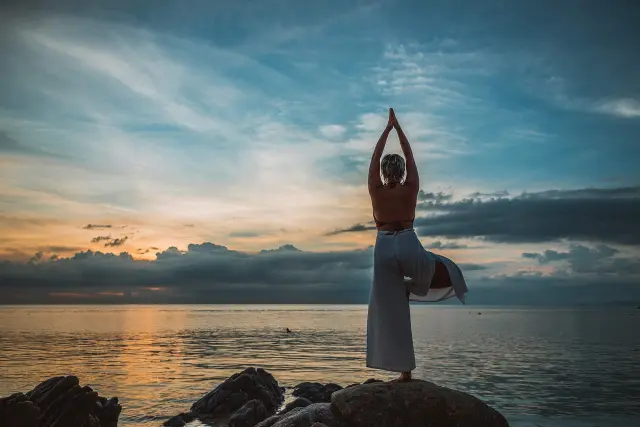
Developing a balanced lifestyle is a continuous journey, not an end goal. Awareness, commitment and consistency are the keys to success. It is important to go at your own pace and make changes that are sustainable in the long term. With the right support and persistence, everyone can develop a lifestyle that supports their physical and mental health and happiness.