How does executive coaching improve cooperation between generations?
When past meets present and future
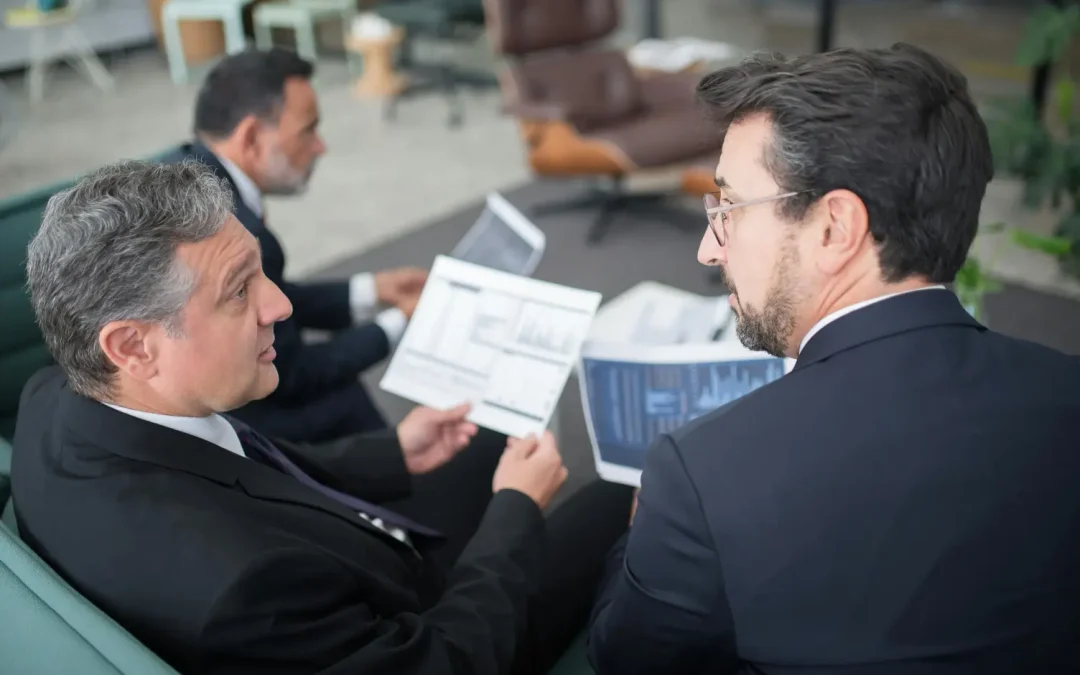
Friday team meeting. Experienced Maria (58) wants to keep track of her projects in traditional Excel spreadsheets, while Zoltan (24) suggests a novel collaboration app that he says would be "much more efficient". The air is tightening. Mary sighs and Zoltan rolls his eyes. Their leader, András, looks around confused - how does he bring these two different worlds together?
This scene is repeated daily in offices around the world. A intergenerational cooperation has become a basic necessity, a matter of survival for every organisation. And this is where executive coaching comes in, able to bridge seemingly unbridgeable gaps.
The reality of a multi-generational workforce
2025 második negyedévére a Generation Z már a munkerő 18%-át alkotja, míg a Baby Boomerek 15%-ot tesznek ki, de ez csak a jéghegy csúcsa. Történelmünk során 5 different generations working side by side for the first time, which creates unique challenges and opportunities.
A real case:
A middle manager working in a multinational company came to our coach because there was constant tension in his team. The conflict between the 62-year-old senior project manager and the 26-year-old junior developer was so deep that projects were running late. Perhaps the following article will tell us if there is a solution to this difficult situation.
A intergenerational cooperation is no easy task. Each age group brings different values, communication styles and ways of working:
- Traditionalists (1928-1945): Hierarchy and compliance are assessed
- Baby Boomers (1946-1964): They put hard work and loyalty first
- Generation X (1965-1980): They are independent and result-oriented, very reliable, loyal
- Generation Y/Millenaries (1981-1996): They prefer flexibility and collaborative working
- Generation Z (1997-2012): Technology natives who want rapid change
Why is coaching the key to the solution?
Traditional management methods often fail in the intergenerational cooperation because they apply general recipes to specific situations. Coaching offers a personalised approach that takes into account the specificities of each generation.
CoachLab's experience shows that executive coaching can make a significant difference in three key areas:
1. Construction of communication bridges
A intergenerational cooperation the most common pitfall is communication breakdown. While Baby Boomers prefer face-to-face conversations, Generation Z prefers instant messages. Coaching helps identify these differences and develop a communication protocol that is acceptable to all parties.
Practical tip based on the SMART model:
- SSpecific: Identify exactly who prefers which communication channel
- Munderstand: track the frequency of communication breakdowns
- Eachievable: set realistic expectations for all generations
- RElevate: choose methods that work in the situation
- Timebound: set specific deadlines for implementing changes
2. Developing value-based leadership
A intergenerational cooperation the key to its success is to find the common values that are important for all ages. For example, professional success, security or opportunities for development.
| Generation | Key values | Motivational factors | Preferred recognition |
|---|---|---|---|
| Baby Boomers | Stability, hierarchy | Recognition, security | Public praise |
| Generation X | Independence, balance | Autonomy, flexibility | Career opportunities |
| Millennials | Community, goals | Meaningful work | Feedback, mentoring |
| Generation Z | Credibility, diversity | Rapid development, technology | Immediate feedback |
3. Optimising knowledge sharing
During the pandemic, many experienced staff left, taking with them the knowledge, expertise and loyalty of the institution. Coaching helps to develop mechanisms where intergenerational cooperation results in a natural flow of knowledge.

How does generational coaching work in practice?
According to the CoachLab methodology intergenerational cooperation is developed in three phases:
Phase 1: Diagnostics and awareness raising
Here we map the generational composition of the team, identify points of conflict and understand individual motivational factors. This phase usually takes 2-3 weeks.
Phase 2: Bridge building and practice
We teach concrete techniques to help people of different generations to work together effectively. Through role-plays, simulations and real-life situations.
Phase 3: Sustainability and development
The embedding and continuous monitoring of the established systems ensures that the intergenerational cooperation be sustainable in the long term.
What makes generational coaching effective?
More than 50% of emerging leaders aged 30-35 feel that collaboration is becoming even more important to their success, indicating that this is not a passing trend but a lasting need.
A efficient intergenerational cooperation coaching features:
- Personalisation: No two teams or organisations are the same
- Practicality: Provides concrete tools and techniques
- Gradualism: Aiming for evolutionary change, not revolutionary change
- Measurable results: improvements expressed in KPIs and specific indicators
When should you involve a generational coach?
A intergenerational cooperation coaching is particularly useful when:
- Frequent conflicts between staff of different ages
- Team performance is not up to expectations
- High turnover in one generation
- Communication problems slow down projects
- Knowledge sharing is not working effectively
According to 21% of managers, the presence of Generation Z has created a more collaborative environment, showing that with the right leadership, generational differences can be turned into advantages.
The future: together or apart?
„The team that will be successful is the team that becomes strong not in spite of its differences, but because of them." says Daniel Goleman, an expert on emotional intelligence.
A intergenerational cooperation development is an investment in the future. McKinsey predicts that Generation Z will make up more than 25% of the workforce by 2025, so those who are not prepared for this change now could be left behind.
Leadership coaching is not a panacea, but it provides a framework in which different generations can draw on each other's strengths. The combined experience of the Baby Boomers, the problem-solving skills of Generation X, the teamwork of the Millennials and the innovation of Generation Z can achieve a level of performance that no single generation could achieve alone.

Intergenerational cooperation in practice: what can we learn?
How much does generational coaching cost? This of course depends on the size of the organisation and the complexity of the programme. A CoachLab coaching prices can include a variety of options, but it is important to remember that this is an investment, not an expense. The payback of a successful programme can be felt within a few months in terms of improved team performance and reduced turnover.
Mik a generációs coaching előnyei? Based on our experience, the most significant changes are:
- 35-50% Improvement in communication within the team
- 20-30% Reduction in generational conflicts
- 25-40% Increase in the efficiency of knowledge sharing
- 15-25% Improvement in overall job satisfaction
What types of organisations work best? A intergenerational cooperation coaching can be applied in virtually any sector, but is particularly effective in technology companies, financial services and healthcare institutions where close collaboration between professionals of different ages is needed.
Related coaching services
A intergenerational cooperation development is often linked to other coaching areas. At executive coaching helps senior managers to understand and manage multi-generational challenges, while the career coaching support members of different generations at individual level to achieve their career goals.
A CoachLab each client is unique, so each programme offers tailor-made solutions. We believe that intergenerational cooperation not conflict management, but value creation - exploiting synergies that add value for all involved.
If you want to know more about the possibilities of generational coaching or have specific questions about CoachLab about our services, please contact us. A intergenerational cooperation development is not a one-off project, but an ongoing journey - and we are happy to accompany you on this journey.
For more information, visit the coachkereso.hu for a detailed overview of coaching opportunities in your country, or explore the coachbp.hu which specialises in coaching services in Budapest and online.